Pediatric Orthopaedics in Multan
Pediatric orthopaedics in Multan. This page explains how children's bone and joint problems differ from an adult's, which conditions are treated here, and when a parent should have a child seen rather than wait.
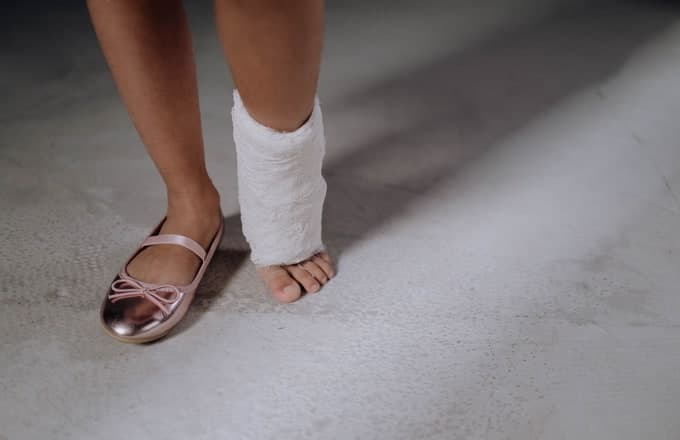
Pediatric Orthopaedics: what it involves
A child is not a small adult. Growing bone bends before it breaks, heals faster than adult bone, and can remodel a degree of angulation on its own as the child grows. That same growth is also what makes children vulnerable in a way adults are not: an injury through a growth plate, or a deformity left uncorrected, can change how a limb grows for years afterwards. Treatment decisions in a child are therefore made against the calendar of their remaining growth, not just against today's X-ray.
A large part of pediatric orthopaedics is knowing what needs treating and what does not. Many toddlers walk with in-toeing, flat feet or slightly bowed legs that straighten by themselves with time, and treating those children achieves nothing except worry and expense. Others, with the same appearance, have a condition that will worsen without correction. Separating the two takes examination, an understanding of normal developmental variation, and X-rays only where they change the plan.
Where treatment is needed, the aim is the least intervention that gives a straight, painless, well-functioning limb by the end of growth. That may mean serial casting for a clubfoot, a closed reduction and cast for a fracture, guided-growth surgery for a deformity, or fixation for an injury that will not hold its position. Parents should leave the consultation understanding what is being treated, what would happen without treatment, and what the limb is expected to look like once the child has finished growing.
This page gives general information about pediatric orthopaedics and is not a diagnosis or a treatment plan. What is right for you depends on your own examination, imaging and medical history. Please discuss your case at a consultation.
Consultation details
- Consultation
- Rs. 2,000
- Timings
- Mon to Sat, 2:00 to 7:00 PMFriday, 3:30 to 8:30 PM
- Clinic
- Fatima Medical Centre, Chowk Rasheedabad, Multan
Treated by Dr. Rizwan Ghafoor, BSc, MBBS, MRCPS(Glasg), FCPS (Tr & Orth), FACS(USA).
- Member: AAOS, USA
- Member: Pakistan Orthopaedic Association
- Member: Royal College of Physicians and Surgeons of Glasgow
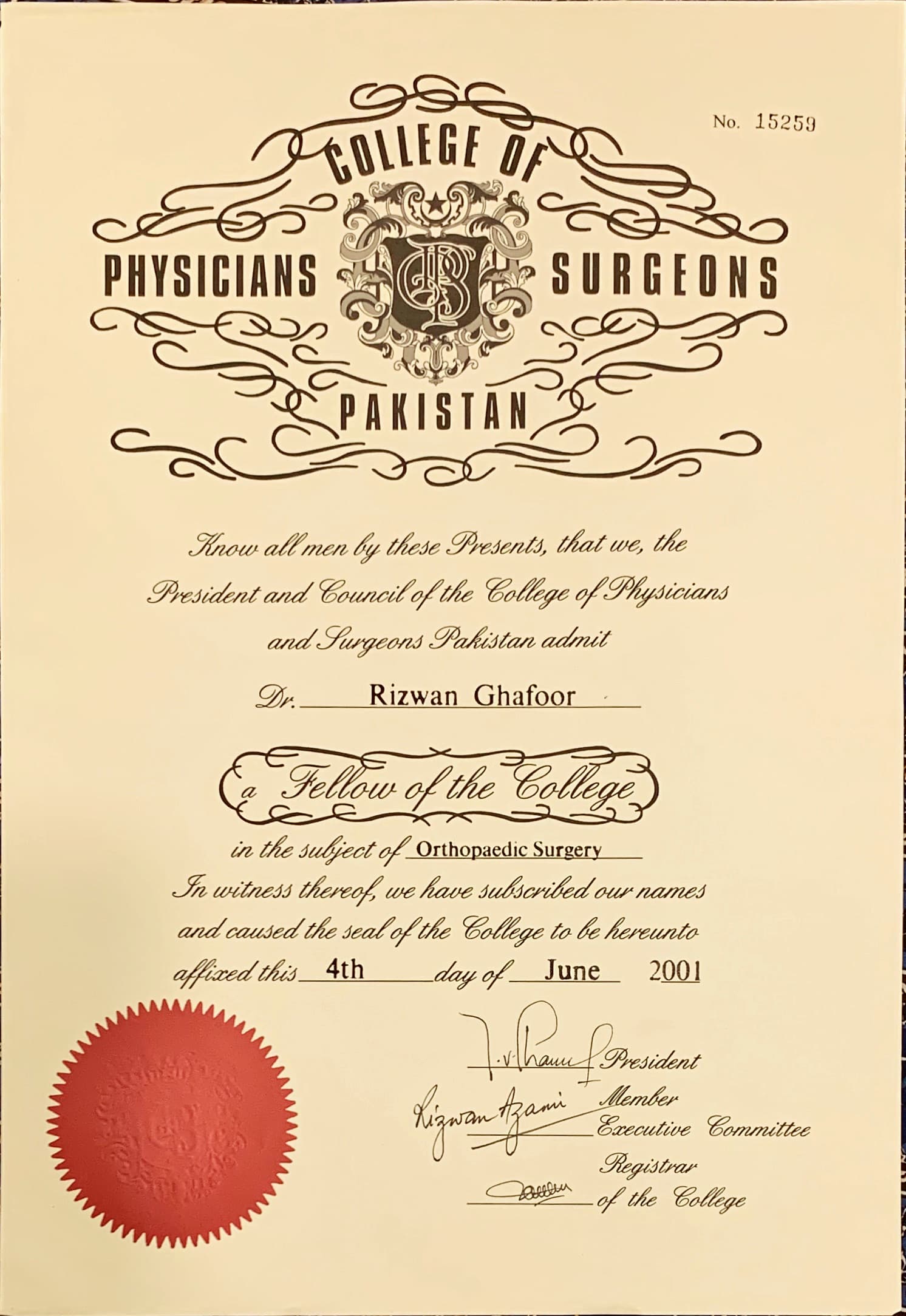
- Fellow: College of Physicians and Surgeons Pakistan
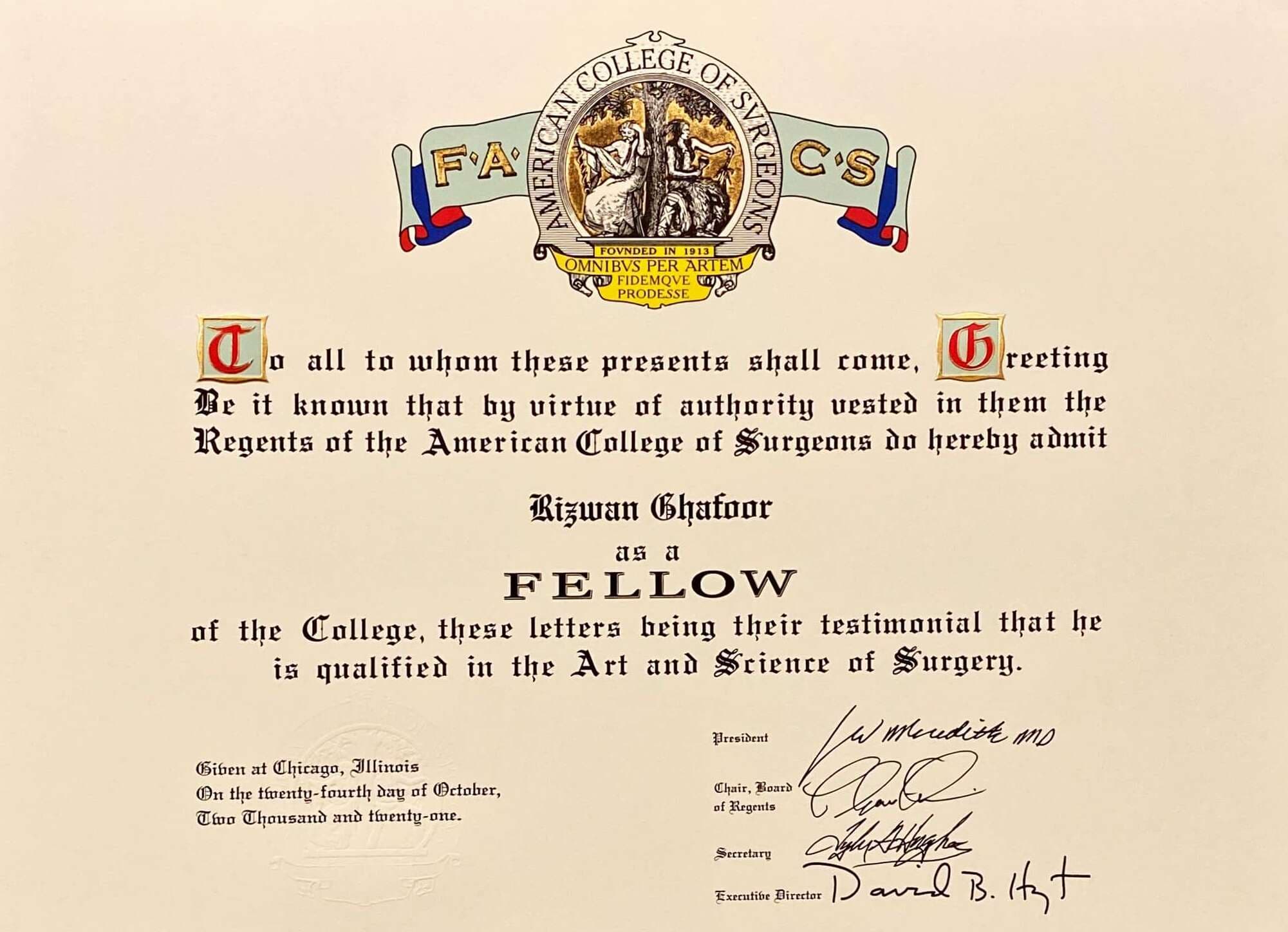
- Fellow: American College of Surgeons, USA
What this treatment addresses
- Fractures in children, including forearm, elbow and supracondylar humerus injuries
- Growth plate (physeal) injuries and resulting growth disturbance
- Clubfoot (CTEV) and other congenital foot deformities
- Developmental dysplasia of the hip (DDH)
- Bow legs, knock knees and in-toeing outside normal development
- Limb length discrepancy and angular deformity correction
- The limping child, irritable hip and suspected joint infection
- Cerebral palsy and neuromuscular deformity of the hip, knee and foot
- Perthes disease and slipped upper femoral epiphysis (SUFE)
- Bone and joint infection (osteomyelitis, septic arthritis) in children
What to expect
- 01History and examinationHow the problem started, how it affects walking, play and school, and a full examination of gait, joint movement and limb alignment against what is normal for the child's age.
- 02Imaging only where it changes the planX-rays, and occasionally an ultrasound for an infant hip, are requested when the examination raises a specific question. Children are not scanned routinely.
- 03Treatment matched to remaining growthCasting, bracing, serial correction, guided growth or surgical fixation, chosen according to the child's age, the severity of the problem and how much growth is left to work with.
- 04Follow-up through growthChildren are reviewed as they grow, because a result that looks correct at the end of treatment still has years of growth to pass through.
Recovery
Most children's fractures unite in three to six weeks, roughly half the time an adult takes, and children generally return to school well before they return to sport. Clubfoot correction by serial casting takes a few months followed by years of night bracing, and deformity correction through guided growth works gradually over months. Recovery in a child is measured not only by healing but by how the limb grows afterwards, which is why review appointments continue after the plaster comes off.
Pediatric Orthopaedics: common questions
- My child's legs look bowed. Does it need treatment?
- Usually not. Bowing is normal in toddlers up to around the age of two, and knock knees are normal between three and five, both correcting on their own. Treatment is considered when the bowing is worsening rather than improving, affects one leg far more than the other, is severe, or comes with short stature or a limp. Those features need examination and an X-ray rather than reassurance.
- Do children's fractures always need an operation?
- No. The majority of children's fractures are treated with a closed reduction and a cast, because growing bone remodels and heals quickly. Surgery is used for fractures that cross a growth plate, displaced injuries around the elbow, unstable fractures that will not hold position in plaster, and open fractures.
- My child is limping but has not had an injury. Is that urgent?
- A limp with fever, refusal to bear weight at all, or a hot, swollen, exquisitely painful joint should be assessed the same day, because a joint infection in a child can damage cartilage within hours. A painless limp without fever is less urgent, but it still needs examination rather than waiting to see whether it settles.
- Will an injury to the growth plate affect my child's growth?
- Most growth plate injuries heal without any lasting effect. A minority damage the plate enough that the bone grows crooked or stops growing at that end, which is why these injuries are reviewed for a period after healing rather than discharged once the cast is off. Detected early, growth disturbance can usually be corrected.
- At what age should clubfoot treatment start?
- As early as possible, ideally within the first few weeks of life, when the ligaments respond best to gentle serial casting. Correction is still achievable in older infants and children, but it becomes harder and more likely to need surgery, so an early referral is worth making.
Areas of expertise
- Complex trauma
- Complicated fractures
- Spinal disorders & injuries
- Sports injuries
- Joint disorders & replacements
- Hand surgeries
- Muscular problems
- Pediatric orthopaedics
- Musculoskeletal tumours
Inside the clinic
Frequently asked questions
Everything you need to know before your first visit with Dr. Rizwan Ghafoor.
Book online or call us at 0321 7327777 for booking an appointment. Consultations run Monday to Saturday, 2:00 PM to 7:00 PM, and Friday 3:30 PM to 8:30 PM, at Fatima Medical Centre, Chowk Rasheedabad, Multan.
BSc, MBBS, MRCPS(Glasg), FCPS (Tr & Orth), FACS(USA). He is a Member of the American Academy of Orthopaedic Surgeons (USA), a Member of the Pakistan Orthopaedic Association, a Member of the Royal College of Physicians and Surgeons of Glasgow, a Fellow of the College of Physicians and Surgeons Pakistan, and a Fellow of the American College of Surgeons (USA).
Complex trauma, complicated fractures, spinal disorders and injuries, sports injuries, joint disorders and replacements, hand surgeries, muscular problems, and pediatric orthopaedics.
Rs. 2,000 for consultation.
Fatima Medical Centre, Rasheed Abad, Multan.
Monday to Saturday, 2:00 PM to 7:00 PM. On Friday the clinic runs later, from 3:30 PM to 8:30 PM. The clinic is closed on Sunday.
Patients look for training, results and honest advice. Dr. Rizwan Ghafoor is a Consultant Orthopaedic Surgeon trained in Pakistan, the UK and the USA, holding FCPS (Tr & Orth), MRCPS (Glasgow) and FACS (USA), and is rated 4.9/5 across more than 140 verified patient reviews. He treats bone, joint, muscle and spine conditions at Fatima Medical Centre, Chowk Rasheedabad, Multan.
Yes. The clinic is at Fatima Medical Centre, Chowk Rasheedabad, Multan, which is within reach of most of South Punjab. If you are travelling any distance, call 0321 7327777 first to confirm your slot before you set out.
Yes. Bring your X-rays, MRI films, operation notes and discharge summary to the consultation so they can be reviewed alongside a fresh examination.
Yes. Paediatric orthopaedics is one of the eight areas of expertise, covering children's fractures, limb deformities such as bow legs and knock knees, and congenital conditions.
Visit Dr. Rizwan Ghafoor’s clinic
Book an in-person consultation online, or by phone on 0321 7327777.
- Clinic
- Fatima Medical Centre, Chowk Rasheedabad, Multan
- Timings
- Mon to Sat, 2:00 to 7:00 PMFriday, 3:30 to 8:30 PM
- Consultation fee
- Rs. 2,000